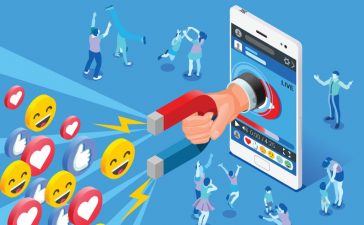


Social media is no longer a simple marketing channel or a space for casual interactions—it’s a complex ecosystem driven by artificial intelligence, predictive algorithms, and evolving audience psychology. In 2025, platforms are not just connecting people; they are shaping behaviors, cultural narratives, and even consumer decision-making. The conversation has moved past reach and engagement—it’s now about influence precision, algorithmic visibility, and ethical optimization.
This article explores the next stage of social media evolution, diving into how artificial intelligence, data-driven personalization, decentralized networks, and algorithmic ethics are reshaping the landscape for brands, creators, and users alike.
AI and the Algorithmic Era: Social Media’s Invisible Hand
Every scroll, like, and share is no longer a passive act. It’s data. And that data powers the algorithms that dictate what we see, when we see it, and why we engage. Today’s algorithms don’t simply recommend content—they predict desires and shape decisions.
The Shift from Reactive to Predictive Algorithms
Initially, algorithms were reactive—they responded to your engagement patterns and pushed similar content. Now, thanks to AI, they’ve become predictive. These systems use deep learning models to forecast what type of content will capture your attention even before you realize your interest has changed.
Platforms like TikTok and Instagram deploy machine learning models that continuously adjust based on micro-signals such as scroll velocity, pause time, dwell rate, and sentiment detection in comments. The result is an ultra-personalized feed that feels intuitive but is strategically engineered to maximize user retention.
Behavioral Architecture and Attention Manipulation
Algorithmic feeds operate within what behavioral scientists call digital choice architecture—the intentional design of online environments to guide behavior. Every push notification, trending sound, and “For You” suggestion is an output of psychological modeling.
This manipulation creates what experts term algorithmic addiction. The more a user engages, the more data the system collects, which in turn refines the algorithm, forming an endless engagement loop. The consequence is a reduction in content diversity and cognitive autonomy, as the algorithm determines your digital diet.
The Rise of Algorithmic Branding: How AI Is Rewriting Marketing Playbooks
Traditional social media strategies—posting frequency, hashtags, and engagement hacks—are rapidly becoming obsolete. Success in 2025 depends on algorithmic alignment—a strategic approach that integrates brand storytelling with the logic of AI-driven content systems.
Adaptive Content Frameworks
Modern algorithms reward consistency, relevancy, and emotional resonance. Brands must adopt adaptive content frameworks, where storytelling is flexible enough to adjust to real-time audience feedback. AI analytics tools now allow marketers to test multiple content variables—caption length, color schemes, tone of voice—simultaneously.
Through A/B testing at scale, platforms identify what resonates most with segmented audience clusters. This data fuels an ongoing optimization cycle, ensuring every post contributes to algorithmic momentum.
The Human-AI Hybrid Creator Model
One of the most transformative developments is the emergence of the Human-AI hybrid creator. These creators use AI not to replace creativity, but to enhance it—leveraging automation for trend analysis, caption generation, and even synthetic storytelling.
For instance, advanced AI tools can analyze an influencer’s historical performance data to suggest optimal posting windows, brand partnerships, and even predicted viral formats. The key lies in maintaining authenticity while utilizing algorithmic intelligence for strategic amplification.
The Death of Virality and the Age of Niche Velocity
Gone are the days when viral videos guaranteed growth. Platforms have evolved to prioritize sustained micro-engagement over one-time spikes. The algorithm now favors content that encourages long-term retention within niche interest ecosystems.
The Micro-Community Shift
Micro-communities—digital spaces focused on specific topics or identities—have become the new frontier of influence. Discord servers, Telegram groups, and closed LinkedIn communities represent a shift from broadcast communication to participatory culture.
In these ecosystems, value is derived from credibility and contextual authority, not follower count. Brands entering these circles must act less like advertisers and more like collaborators, contributing knowledge, authenticity, and relevance.
Algorithmic Velocity vs. Virality
Virality relies on mass reach, but algorithmic velocity measures the sustained engagement rate of content across time and micro-audiences. Posts that maintain consistent interaction across smaller groups are rewarded with prolonged feed visibility.
To leverage this, marketers must prioritize content consistency, interactive storytelling, and user participation loops—polls, duets, collaborations, and comment-driven discussions.
The Rise of Synthetic Influence: Virtual Personas and AI-Driven Avatars
The rise of AI-generated influencers marks one of the most radical shifts in the social media landscape. These virtual personas, powered by machine learning and digital artistry, are transforming brand partnerships and redefining the boundaries of authenticity.
Why Virtual Influencers Work
Virtual influencers offer perfect brand alignment—they don’t age, make mistakes, or demand creative control. They are engineered for engagement efficiency and brand loyalty. Their analytics-driven personality traits can be adjusted in real time based on campaign performance metrics.
However, this innovation also raises ethical concerns. Where does authenticity end and manipulation begin? Users form emotional attachments to synthetic identities, blurring the line between influence and illusion.
Hybrid Campaigns and the New Era of Digital Storytelling
The next step isn’t replacing humans but integrating them. Brands are now crafting hybrid campaigns—pairing human influencers with AI avatars to merge emotional authenticity with algorithmic perfection. This strategy allows companies to maintain relatability while harnessing AI’s scalability and predictive precision.
Algorithmic Ethics: Balancing Engagement and Responsibility
As algorithms grow more powerful, the ethical implications of their influence become unavoidable. The same AI that drives engagement can also distort reality, polarize discourse, and manipulate user emotions.
Transparency as a Competitive Advantage
Forward-thinking brands are beginning to see algorithmic transparency as a core differentiator. By revealing how data is used and content is prioritized, companies can build trust equity, which is rapidly becoming as valuable as engagement metrics.
Ethical frameworks in content creation—such as AI disclosure labels and responsible personalization policies—are helping brands maintain credibility in an era of algorithmic skepticism.
Designing for Digital Well-being
The future of social media success will depend not just on growth but on sustainable engagement. Platforms are experimenting with features like mindful scrolling prompts, customizable algorithm settings, and attention limiters that empower users to manage their digital habits consciously.
For brands and creators, aligning with digital well-being initiatives isn’t just ethical—it’s strategic. Users are increasingly loyal to brands that support mental balance, authenticity, and transparency over pure performance marketing.
The Next Phase: Decentralized and AI-Native Social Platforms
The future of social interaction may no longer belong to centralized giants like Meta or X. Instead, it’s shifting toward AI-native, decentralized networks that prioritize privacy, personalization, and user ownership.
Decentralized Social Media Models
Platforms built on blockchain technology allow users to own their data, content, and monetization rights. These decentralized systems eliminate middlemen, giving users full control over identity and influence metrics.
Such environments will drastically alter influencer marketing, creating peer-to-peer engagement economies where influence is tokenized, measurable, and transparently rewarded.
AI-Native Platforms and Contextual Intelligence
The next generation of social platforms will be AI-native by design, not just AI-enhanced. These platforms will understand context, emotional tone, and behavioral intent, offering hyper-personalized user experiences.
This transition represents the true convergence of artificial intelligence and human social intuition, opening new frontiers for creators, brands, and users seeking meaningful digital interaction.
FAQs
1. What is algorithmic branding, and why is it important?
Algorithmic branding is the strategic adaptation of content and messaging to align with how AI algorithms rank, recommend, and promote content. It ensures visibility, consistency, and audience alignment in AI-driven feeds.
2. How can brands stay authentic in an AI-dominated ecosystem?
By maintaining transparency, embracing hybrid storytelling (human + AI), and focusing on community-driven content rather than purely performance metrics. Authenticity will remain the ultimate trust currency.
3. Will AI replace human influencers?
Not entirely. AI influencers will coexist with humans, each serving different purposes. Humans provide relatability and emotional resonance, while AI offers scalability and analytical precision.
4. What are the ethical risks of algorithmic manipulation?
Unchecked algorithms can exploit psychological vulnerabilities, spread misinformation, and create digital dependency. Ethical oversight and transparency are essential to mitigate these risks.
5. How will decentralized social media impact marketing?
Decentralization will empower users to own their data and content value, shifting marketing from brand-centric campaigns to peer-to-peer influence networks.
6. What role does digital well-being play in social media strategy?
Digital well-being is becoming a competitive advantage. Brands that promote mindful engagement and healthy digital habits will cultivate stronger loyalty and positive public perception.
7. What’s the next big evolution in social media?
Expect the rise of AI-native, decentralized ecosystems where personalization, data ownership, and ethical interaction form the foundation of digital communication.
In conclusion, the next generation of social media won’t just connect people—it will connect intelligence. Those who understand and ethically navigate the intersection of AI, algorithms, and authenticity will shape the future of digital culture.