

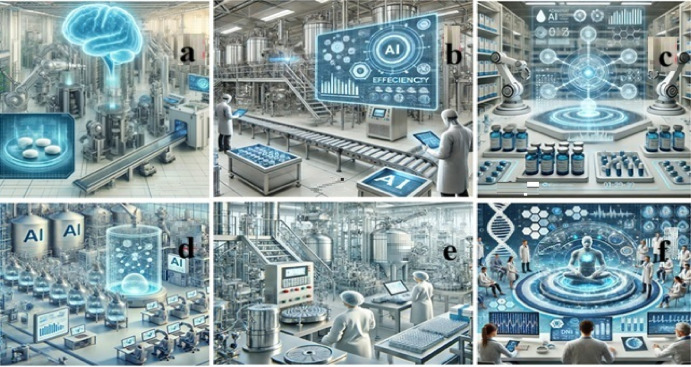
The pharmaceutical industry has long relied on precision, consistency, and rigorous quality control to deliver safe and effective products. As manufacturing environments become increasingly data-driven, artificial intelligence is emerging as a valuable tool for improving how facilities operate. Rather than replacing existing systems, AI is helping manufacturers strengthen decision-making, improve process reliability, and gain greater control over complex production environments.
Its growing adoption reflects a practical need within the industry. Pharmaceutical manufacturers must manage vast amounts of information while maintaining strict standards for quality and compliance. AI provides a way to transform that information into meaningful insights that support more efficient and reliable operations.
Turning Manufacturing Data Into Actionable Insights
Modern pharmaceutical facilities generate enormous amounts of data every day. Equipment performance metrics, environmental readings, production parameters, and quality measurements all contribute to the overall success of a manufacturing process.
Historically, much of this information required manual review or retrospective analysis. AI enables manufacturers to evaluate these data streams continuously, identifying trends, anomalies, and opportunities for improvement as they occur. This allows teams to make decisions based on real-time conditions rather than waiting until issues become more visible.
By providing a clearer picture of operational performance, AI helps manufacturers improve consistency and reduce unwanted variation throughout production.
Increasing Reliability Through Intelligent Monitoring
Maintaining stable manufacturing conditions is essential in pharmaceutical production. Even minor deviations can affect efficiency, quality outcomes, or production timelines.
Artificial intelligence supports reliability by continuously monitoring critical systems and identifying patterns that may indicate developing issues. For example, subtle changes in equipment behavior can signal performance degradation before a breakdown occurs. With early visibility into these conditions, maintenance teams can address concerns proactively and minimize unexpected interruptions.
AI also supports process optimization by helping operators maintain target conditions more effectively. As production environments change, intelligent systems can provide recommendations that help preserve consistency and reduce material waste.
Supporting More Resilient Supply Chains
Manufacturing performance depends heavily on the ability to source materials, manage inventory, and respond to changing market conditions. These challenges have become increasingly complex as pharmaceutical supply chains expand across global networks.
AI-powered forecasting tools help organizations better understand demand patterns, supplier risks, and inventory requirements. By combining historical information with current operating data, these systems can provide earlier warning of potential disruptions and support more effective planning decisions.
Improved visibility allows manufacturers to respond more quickly to changing conditions while maintaining continuity throughout the supply chain.
Helping Balance Innovation and Compliance
The pharmaceutical sector operates within one of the most heavily regulated manufacturing environments in the world. Any new technology must support, rather than complicate, compliance obligations.
Artificial intelligence can help organizations manage these requirements more efficiently. Natural language processing tools can assist with reviewing technical documentation and regulatory guidance, while advanced analytics platforms improve traceability and record management throughout the production process.
These capabilities make it easier for manufacturers to maintain accurate documentation, support audit readiness, and demonstrate compliance while continuing to modernize their operations.
Building a Stronger Foundation for the Future
As pharmaceutical manufacturing continues to advance, AI is becoming an increasingly important component of operational excellence. Its ability to improve visibility, strengthen process control, and support proactive decision-making makes it a valuable resource for organizations seeking long-term performance improvements.
The future of pharmaceutical production will continue to depend on skilled professionals, robust quality systems, and regulatory discipline. AI enhances these foundations by helping manufacturers operate with greater precision, efficiency, and confidence. As the technology matures, its role will likely expand, supporting a more resilient and responsive manufacturing environment for years to come.
For additional insight into how AI is redefining standards in pharmaceutical production, explore the visual guide accompanying this article from Advanced Technology Services, a provider of industrial preventive maintenance services.